

Losing a loved one is never easy. And when the time comes to manage an estate, the process of sorting, valuing, and selling a lifetime of possessions can feel overwhelming. That's where a professional online estate sale company comes in — but not all companies are created equal. Knowing what to expect and how to prepare for your first consultation can make all the difference between a smooth, profitable experience and a stressful, costly one.
NYMES LLC | Not Your Mother’s Estate Sale
We believe an informed client is an empowered client. Here's everything you need to know before you sit down — virtually or in person — with a prospective estate sale company.

The Attic Economy: Why Tariffs, Boomers, and Bidders Made Online Estate Sales Q3's Quiet Powerhouse
Tariffs, the Great Wealth Transfer and digital-first bidders are reshaping the secondary market. Here's what it means for online estate sales this quarter.
As Q3 closes, the most interesting story in retail isn't happening in a mall. It's happening in living rooms, where a lifetime of belongings is being photographed, listed, and sold to bidders in every time zone.
What is an online estate sale?
An online estate sale is a timed auction. A home's contents are photographed, listed item by item, and sold to registered bidders, so the buyer pool is national rather than whoever walks through the door.
Why is the secondary market growing?
In 2025, the U.S. secondhand market grew nearly four times faster than the broader retail clothing market. Price pressure is a big reason. ThredUp's 2025 report found 59% of consumers planned to turn to secondhand apparel as a buffer against tariff-driven price increases. The same pressure is reaching the home. Designers using genuine pre-1920s antiques rose from 56% to 63%, and 92% reported some negative tariff impact. Dive Brief: +2
The real constraint is supply
ThredUp's report identifies the supply of secondhand goods, not consumer demand, as resale's primary constraint. Estate liquidation is where quality supply comes from: authentic furniture, jewelry, art, tools, and collectibles that have sat untouched for decades. wwd
That supply is about to grow. Economists project $84 trillion will change hands over the next two decades, and younger buyers already made up 25-33% of bidders at major auction houses in 2024. Gen Z and millennials are expected to drive more than 70% of resale growth through 2030. Those buyers are digital-first, which is exactly why online auctions fit. Nearly half of shoppers now discover secondhand finds through social media and creators. Art Market Trends 2026: 8 Shifts In How Art Gets Bought and Sold +2
What this means for families and executors
Selling online in a competitive bidding environment can capture value that a one-weekend, local sale often leaves on the table. At The Legacy Auction Group, our 50,000+ registered bidders and 99%+ sell-through rate exist for one reason: to match a family's belongings with the buyers who want them most, privately and transparently.
FAQ
Are online estate sales worth it? For many households, yes. A larger bidder pool means more competition per item, and a one-week format means less disruption to the family.
Do I need an appraisal first? For jewelry, fine art, and antiques, a USPAP-compliant appraisal helps set expectations for tax, insurance, or liquidation purposes.
The secondary market isn't a trend. It's a supply chain, and it starts in someone's attic.
If you're planning a downsizing or settling an estate, let's talk. Tammy@NYMESLLC.com 440-477-9844
#OnlineEstateSales #EstateLiquidation #SecondaryMarket #Resale #Recommerce #CircularEconomy #GreatWealthTransfer #Downsizing #Antiques #VintageMarket #OnlineAuctions #Appraisals #NortheastOhio
The Secondhand Economy Just Split in Two — Here's What That Means for Auctions
if 2025 was resale's "everyone's doing it" moment, 2026 is shaping up to be auction's "everyone's watching it" moment.
A 2-minute read on Q2 2026 market data and where things head by year-end.
If you've assumed "resale" and "auction" are the same conversation, Q2 2026 data says otherwise. The two channels are growing for different reasons, serving different buyers, and heading toward different endings this year.
The resale side: bigger, but more crowded
The global secondhand market is now valued at roughly $393 billion, expanding about twice as fast as overall retail. In the U.S. specifically, resale grew nearly four times faster than traditional retail in 2025, and ThredUp's latest data pegs U.S. secondhand apparel to hit $78.8 billion by 2030.
But the headline growth number hides something important: this market is maturing, not just expanding. Industry analysts are now describing resale as entering a "structurally complex phase" — meaning growth is increasingly about share shifts between platforms and a fragmented long tail of sellers, not just new shoppers walking through the door. Gen Z and millennials are expected to drive over 70% of resale growth through 2030, and the constraint isn't demand anymore — it's supply. Reverse logistics, condition inconsistency, and high return rates (retail-wide returns hit nearly 17% of sales) are real drags on margin.
Translation: resale is winning share, but winning it is getting more expensive.
The auction side: smaller, but accelerating on category strength
Online auctions are a smaller pond — roughly $5–20 billion globally depending on how you scope it — but the growth engines look different, and arguably healthier.
eBay's Q2 2026 results are the clearest signal: GMV and revenue both jumped 14–15% year-over-year, but the real story is where. "Focused categories" — collectibles, motors, fashion, refurbished — grew 26%, now over 40% of total GMV for the first time. eBay Live, its livestream auction format, grew GMV roughly 8x year-over-year. That's not incremental growth; that's a format finding real product-market fit.
This matters directly for estate and specialty auctions like antiques, art, and fine goods: buyers are proving, in real numbers, that they'll pay a premium for curation, authentication, and live urgency — the exact things a traditional auction house offers that a flat resale listing doesn't.
What this means heading into year-end 2026
Resale will keep growing, but expect consolidation talk and tighter margins as platforms compete for the same finite supply of quality goods.
Auction/live-bid formats are positioned to outgrow flat-listing resale through Q4, particularly in collectibles, fine art, and estate categories — the scarcity-and-urgency model is winning attention and wallet share.
The bottom line for sellers: if your inventory has a story, provenance, or scarcity — reserve auctions and live bidding are likely to out-earn a static resale listing this holiday season.
Both channels are growing. But if 2025 was resale's "everyone's doing it" moment, 2026 is shaping up to be auction's "everyone's watching it" moment.
Sources: ThredUp 2026 Resale Report (GlobalData), BoF-McKinsey State of Fashion 2026, eBay Q2 2026 earnings, Technavio & Credence Research online auction market data.
"The Real Value of Vintage & Secondhand Goods in Today's Market
Why Vintage Is Becoming the Smartest Asset Class Nobody's Talking About
A few years ago, "vintage" was a niche interest — something for collectors, costume designers, and the occasional thrift enthusiast. Today, it's becoming a legitimate economic story, and business leaders, investors, and brands are starting to pay attention.
Here's why.
The Numbers Tell the Story
The secondhand market isn't a side hustle anymore — it's a structural shift in how consumers spend. The global secondhand market has grown into a multi-hundred-billion-dollar industry, and it's expanding roughly four times faster than traditional retail. In the U.S. alone, secondhand apparel is projected to nearly triple by the end of the decade.
What's driving that growth isn't nostalgia alone. It's economics. A growing share of consumers — across every income bracket — are shifting from convenience-based purchasing to value-based purchasing. They're not just looking for the cheapest option; they're looking for durability, authenticity, and things that hold meaning. Vintage checks all three boxes in a way most new products simply can't.
Scarcity Is the Original Value Driver
In a market flooded with infinite, instantly-replicable inventory, vintage items carry something most modern products lack: genuine scarcity. A discontinued design, a retired production run, a piece from an era that simply isn't being made anymore — these create real pricing power that has nothing to do with marketing spend and everything to do with supply.
This is the same principle that drives value in fine art, rare coins, and limited-run collectibles. The difference is that vintage fashion and goods are far more accessible — you don't need a six-figure budget to participate, and the entry point for both buyers and sellers is remarkably low.
Generational Demand Is Reshaping the Market
Younger generations are the clearest signal of where this is headed. The majority of Gen Z consumers now shop secondhand, and a significant share search for an item used before they ever consider buying it new. For an entire generation, "vintage first" isn't a quirky preference — it's the default mode of shopping.
That's not a passing trend. It's a generational rewiring of consumer behavior, and it has long-term implications for how brands think about product lifecycle, authenticity, and resale value baked into the original design.
Brands Are Already Responding
Perhaps the strongest validation of vintage's value isn't coming from resellers — it's coming from the brands themselves. Major fashion and luxury houses are now building their own resale and archive programs, recognizing that a healthy secondary market actually reinforces brand value rather than undermining it. Luxury resale alone has grown into a market worth tens of billions of dollars, now ranking among the top sales channels for many premium brands, just behind their own retail and e-commerce.
When the original manufacturers start treating resale as a core business strategy rather than a threat, that's a clear signal that the value proposition is real.
What This Means for Anyone Paying Attention
You don't need to be a professional reseller to benefit from understanding this shift. Whether you're:
Sitting on inventory, archives, or personal collections with untapped value
Building a brand and thinking about the long-term product lifecycle
Simply curious about smarter, more durable ways to spend and invest
The takeaway is the same: vintage and secondhand goods are no longer the discount bin of the economy. They're a growing, increasingly sophisticated market where authenticity, scarcity, and quality are rewarded — often more reliably than they are in the new-goods market.
The smartest move right now isn't just selling vintage. It's understanding why it holds value — because that's the same logic that will keep shaping consumer behavior for the next decade.
Why Vintage Is Becoming the Smartest Asset Class Nobody's Talking About
A few years ago, "vintage" was a niche interest — something for collectors, costume designers, and the occasional thrift enthusiast. Today, it's becoming a legitimate economic story, and business leaders, investors, and brands are starting to pay attention.
Here's why.
The Numbers Tell the Story
The secondhand market isn't a side hustle anymore — it's a structural shift in how consumers spend. The global secondhand market has grown into a multi-hundred-billion-dollar industry, and it's expanding roughly four times faster than traditional retail. In the U.S. alone, secondhand apparel is projected to nearly triple by the end of the decade.
What's driving that growth isn't nostalgia alone. It's economics. A growing share of consumers — across every income bracket — are shifting from convenience-based purchasing to value-based purchasing. They're not just looking for the cheapest option; they're looking for durability, authenticity, and things that hold meaning. Vintage checks all three boxes in a way most new products simply can't.
Scarcity Is the Original Value Driver
In a market flooded with infinite, instantly-replicable inventory, vintage items carry something most modern products lack: genuine scarcity. A discontinued design, a retired production run, a piece from an era that simply isn't being made anymore — these create real pricing power that has nothing to do with marketing spend and everything to do with supply.
This is the same principle that drives value in fine art, rare coins, and limited-run collectibles. The difference is that vintage fashion and goods are far more accessible — you don't need a six-figure budget to participate, and the entry point for both buyers and sellers is remarkably low.
Generational Demand Is Reshaping the Market
Younger generations are the clearest signal of where this is headed. The majority of Gen Z consumers now shop secondhand, and a significant share search for an item used before they ever consider buying it new. For an entire generation, "vintage first" isn't a quirky preference — it's the default mode of shopping.
That's not a passing trend. It's a generational rewiring of consumer behavior, and it has long-term implications for how brands think about product lifecycle, authenticity, and resale value baked into the original design.
Brands Are Already Responding
Perhaps the strongest validation of vintage's value isn't coming from resellers — it's coming from the brands themselves. Major fashion and luxury houses are now building their own resale and archive programs, recognizing that a healthy secondary market actually reinforces brand value rather than undermining it. Luxury resale alone has grown into a market worth tens of billions of dollars, now ranking among the top sales channels for many premium brands, just behind their own retail and e-commerce.
When the original manufacturers start treating resale as a core business strategy rather than a threat, that's a clear signal that the value proposition is real.
What This Means for Anyone Paying Attention
You don't need to be a professional reseller to benefit from understanding this shift. Whether you're:
Sitting on inventory, archives, or personal collections with untapped value
Building a brand and thinking about the long-term product lifecycle
Simply curious about smarter, more durable ways to spend and invest
The takeaway is the same: vintage and secondhand goods are no longer the discount bin of the economy. They're a growing, increasingly sophisticated market where authenticity, scarcity, and quality are rewarded — often more reliably than they are in the new-goods market.
The smartest move right now isn't just selling vintage. It's understanding why it holds value — because that's the same logic that will keep shaping consumer behavior for the next decade.
What's your take — is vintage/secondhand a passing trend, or a permanent shift in how we think about value? Curious to hear how others are seeing this play out in their industries. Tammy@nymesllc.com

Why Estate Attorneys Partner with Not Your Mother's Estate Sale & Legacy Auction Group to Protect Their Clients — and Themselves
By Tammy Weiss | Not Your Mother's Estate Sale & Legacy Auction Group
When an attorney is appointed as executor, trustee, or personal representative of an estate, the weight of fiduciary duty doesn't end at the courthouse. It follows them into every room of that house — through the antiques, the jewelry, the collections, the furniture, and the decades of accumulated life.
The question isn't just what do we do with all of this?
The question is: How do we do it right?
The Fiduciary Standard Is Unforgiving
As an estate attorney, you already know this: fiduciary duty demands that every decision be made in the best interest of the beneficiaries — not for convenience, not for speed, and certainly not to appease the loudest voice in the family. That standard applies to the liquidation of personal property just as much as it applies to financial accounts and real estate.
Yet personal property is often where fiduciary responsibility gets the most complicated — and where attorneys are most vulnerable to criticism, disputes, and even litigation.
Items may be undervalued. Family members may feel sidelined. Assets may be sold prematurely, or worse, given away at a fraction of their worth. Without a professional, documented, transparent process, even well-intentioned decisions can look like negligence in hindsight.
What "Professional" Actually Means in Estate Liquidation
Not all estate sale companies are created equal. A fiduciary-minded attorney needs a partner who brings more than folding tables and price stickers to the job.
Not Your Mother's Estate Sale and Legacy Auction Group was built specifically to serve the legal and professional community navigating estate transitions. Here's what that means in practice:
✅ Accurate, Defensible Valuations
Every sale begins with a thorough assessment of the estate's contents. We identify items that warrant specialist appraisal — fine art, jewelry, antiques, collectibles, firearms, and more — and connect with certified appraisers when needed. This creates a documented record of due diligence that protects the attorney, the estate, and the beneficiaries.
When values are established transparently and professionally, there is no room for a beneficiary to claim assets were "given away."
✅ Maximum Return for Beneficiaries
Our platform approach — Our Legacy Auction Group model — means we identify the right venue and platform for every asset. High-value or unique pieces and Everyday household items are priced and sold efficiently through our multiple-platform auctions for competitive bidding in an estate sale format. The result is optimized returns across the entire estate, not just the obvious pieces.
Meeting your fiduciary obligation means maximizing value. That's not a courtesy — it's a legal standard. We help you meet it.
✅ A Transparent, Documented Process
Every item catalogued. Every sale recorded. Every dollar accounted for. We provide attorneys with clear documentation throughout the liquidation process, making end-of-estate accounting straightforward and dispute-resistant.
If a beneficiary ever questions how the estate was handled, you'll have a clean paper trail — not a memory of what seemed like a fair price at the time.
✅ Respectful, Professional Handling
Estates are deeply personal. The contents of a home represent a lifetime. We treat every estate — and every family — with the discretion and respect that the moment demands. That matters not just to the family, but to the attorney whose reputation is on the line with every referral and every engagement.
✅ Experience with Complex Family Dynamics
Contested estates. Estranged heirs. Beneficiaries who want to "take a few things." We've seen it all, and we know how to navigate these situations professionally, keeping the process on track without escalating family conflict. We work with the attorney's directives — not around them.
The Risk of Getting This Wrong
Consider what's at stake when personal property liquidation goes poorly:
Beneficiaries who believe items were undervalued can file claims against the estate — and against the fiduciary.
Family members excluded from the process may allege favoritism or mismanagement.
An undocumented sale creates ambiguity that opposing counsel is happy to exploit.
A rushed or unprofessional liquidation can damage the attorney's reputation with the court, with the family, and in the professional community.
These aren't hypothetical risks. They are the realities that estate attorneys face when they don't have the right partner managing the personal property side of the estate.
A Partnership Built for Attorneys
We understand how attorneys work, what they need, and what keeps them up at night. We coordinate directly with the estate attorney or personal representative, work within court timelines, communicate proactively, and document everything.
Our goal is simple: to make the personal property liquidation portion of an estate the least complicated part of your job — while ensuring that the fiduciary standard is fully met and demonstrably so.
If you're an estate attorney, probate paralegal, or financial professional handling estate transitions in Northeast Ohio, we'd welcome the opportunity to connect.
Not Your Mother's Estate Sale & Legacy Auction Group isn't just a service. It's a fiduciary safeguard.
Reach out to learn more about how we work with legal professionals, or to discuss an upcoming estate. We're here to make sure the whole process — from first walkthrough to final accounting — reflects the professionalism your clients deserve.
📞 440-477-9844 📧 Tammy@nymesllc.com 🌐www.notyourmothersestatesale.com
www.legacyauctiongroup.com
#EstatePlanning #ProbateLaw #EstateSale #FiduciaryDuty #EstateLiquidation #EstateAttorney #LegacyAuctionGroup #NotYourMothersEstateSale #TrustAndEstate #ElderLaw

What Happens When You Don't Hire a Professional Estate Sale Company — And What It Really Costs Your Family.
You've just lost someone you love. Now comes the overwhelming task of clearing out a lifetime's worth of belongings — furniture, jewelry, collectibles, paperwork, and everything in between. Someone suggests holding an estate sale, and a friend of a friend knows a person who "does that sort of thing." Or maybe the family decides to just handle it themselves over a weekend.
It seems simple enough. Until it isn't
A 2-minute read that could save you thousands.
Losing a loved one is hard enough. Sorting through a lifetime of belongings — furniture, fine jewelry, antiques, collectibles, and decades of memories — while grieving is overwhelming. Many families in the Greater Cleveland area turn to whoever is available or try to manage the estate sale themselves. It feels like the practical choice.
But without an experienced, professional online estate sale company, that decision can cost families thousands of dollars they'll never recover.
The Hidden Value Sitting in Your Family Home
Most people don't realize what they have — and that's exactly the problem.
That oil painting in the hallway. The china set in the hutch. The vintage watch tucked in a dresser drawer. Without a trained professional who understands current resale market values, these items get priced like garage sale items — or disappear for free into the wrong hands.
At Not Your Mother's Estate Sale (NYMES), our team researches, prices, and presents every item based on fair market value and live auction data. Our bidder base of over 50,000 registered buyers across our combined platforms means your items are seen by the right people — collectors, dealers, and motivated buyers actively searching for exactly what's in your home.
Why DIY Estate Sales and Discount Companies Fall Short
Frequently asked: "Can I run my own estate sale?"
Technically, yes. Practically — it almost always costs more than it saves.
Here's what families lose when they skip a seasoned professional:
Buyer reach. A private family sale attracts foot traffic. A professional online estate sale company like NYMES advertises on Estatesales.net, EstateSales.org, AuctionZip.com, Estatesales.com, Facebook, and Instagram — plus direct email campaigns to tens of thousands of registered bidders. No advertising cost to you.
Accurate pricing. Sentimental value and market value are not the same thing. Families routinely overprice items they love and underprice items they don't recognize. Both outcomes reduce your return.
Sell-through rate. NYMES achieves a sell-through rate of over 99% — meaning nearly everything sells. Discount or amateur operations often leave 20–40% of a home's contents unsold, creating a secondary disposal problem that costs even more.
Time and emotional energy. Managing an estate sale requires days of prep, pricing, logistics, and follow-through. A professional team handles all of it — typically photographing an entire home's contents in a single day.
What a Professional Online Estate Sale Company Actually Does
Frequently asked: "What does an estate sale company do?"
A full-service estate sale company like Not Your Mother's Estate Sale manages every step of the process:
Free in-home assessment — We evaluate the contents, explain our process, and provide a straightforward contract with no hidden fees.
Professional photography and listing — All items are photographed and listed online, typically within one day.
One-week online auction — Your sale runs for seven days, promoted across multiple platforms to our active buyer network.
Coordinated pick-up — Buyers collect items within a 3–4 hour window after the sale closes.
Fast payment — Clients receive a check or bank deposit within five business days, along with a complete line-item settlement.
The Number That Says Everything: 99%+
A sell-through rate above 99% means your family walks away from this process clean. Almost nothing left to donate, haul away, or pay to dispose of.
That single number represents years of market expertise, a massive buyer network, strategic pricing, and professional presentation. It's not luck — it's the result of doing this right.
Once It's Gone, It's Gone
This is the part families don't think about until it's too late.
When an item sells for $10 that was worth $400, that transaction is final. There is no appeals process. No take-backs.
Professional estate sale companies — especially those with deep roots in the online auction industry — exist to prevent exactly that outcome. Since 2012, Not Your Mother's Estate Sale and its parent company, The Legacy Auction Group, have helped families, nonprofits, and private collectors throughout Northeast Ohio achieve the highest possible returns on their estates — all while protecting their privacy from start to finish.
The Bottom Line for Cleveland-Area Families
If you're managing an estate in Cuyahoga County, Geauga County, Lake County, or the surrounding Northeast Ohio area, the difference between a professional online estate sale company and the alternative isn't just convenience — it's thousands of dollars and a process that either honors your loved one's lifetime of accumulation or doesn't
Not Your Mother's Estate Sale has been doing this since 2012. We'd be honored to help your family through it.
📞 440-477-9844 📧 Tammy@NYMESLLC.com 🌐 www.notyourmothersestatesale.com 🌐 www.legacyauctiongroup.com
Free in-home assessments available. No obligation.
#EstateSale #OnlineEstateSale #EstateAuction #NotYourMothersEstateSale #LegacyAuctionGroup #ClevelandEstateSale #NortheastOhio #EstateSaleCompany #OnlineAuction #EstateLiquidation #ClevelandOhio #ProbateSale #SeniorDownsizing #EstateManagement #AuctionHouse #CuyahogaCounty #GeaugaCounty #EstatePlanning #PersonalPropertyAppraisal #GoldAndSilver

What to Expect — and How to Prepare — When Meeting Your Prospective Online Estate Sale Company
Most families have never worked with an online estate sale company before — and that's exactly what some companies count on.
Knowing the right questions to ask, the red flags to watch for, and how to walk in prepared can mean the difference between maximizing your loved one's legacy… and leaving money on the table.
Losing a loved one is never easy. And when the time comes to manage an estate, the process of sorting, valuing, and selling a lifetime of possessions can feel overwhelming. That's where a professional online estate sale company comes in — but not all companies are created equal. Knowing what to expect and how to prepare for your first consultation can make all the difference between a smooth, profitable experience and a stressful, costly one.
At Legacy Auction Group | NYMES LLC, we believe an informed client is an empowered client. Here's everything you need to know before you sit down — virtually or in person — with a prospective estate sale company.
Before the Meeting: Do Your Homework
Before you commit to any consultation, spend time researching the company. A reputable online estate sale company should have a verifiable track record, transparent reviews, and a professional digital presence.
What to look for:
Active listings on trusted auction platforms (EstateSales.org, AuctionZip, or their own website)
A clear "About" page with named team members and company history
Evidence of consistent, professional photography in past sales
Questions to ask yourself first:
What is the timeline for liquidating the estate?
Are there items of potentially high value that may need independent appraisal?
Will the estate require full cleanout services, or only the sale itself?
What is your primary goal — maximum return, fast liquidation, or both?
What to Bring to the Consultation
Coming prepared signals professionalism and helps the estate sale company give you an accurate, customized proposal.
Bring or have ready:
A general inventory or room-by-room summary of the estate's contents (photos work well)
Any known appraisals, receipts, or certificates of authenticity for high-value items
Documentation of the estate's ownership (death certificate, executor paperwork, or letters testamentary if applicable)
A clear timeline — when does the property need to be vacated?
A list of items that are NOT for sale (family heirlooms being retained by beneficiaries)
Any HOA restrictions, building rules, or lease information that may affect access
What a Reputable Company Will Do During the Consultation
A professional estate sale company should treat the initial consultation as a discovery session — not a sales pitch. Here's what the best companies (like Legacy Auction Group | NYMES LLC ) will do:
Conduct a walkthrough or photo review. They will want to see the estate's contents before providing any commission estimate or timeline.
Provide a transparent fee structure. Whether it's a commission-based model (typically 30–50% of gross sales), a flat fee, or a hybrid, everything should be clearly explained and in writing.
Discuss the online auction format. A quality online estate sale company will explain their bidding platform, auction duration, buyer's premium structure, and how items are photographed, described, and listed.
Outline their marketing strategy. Ask how they promote each sale. Email lists, social media, platform algorithms, and search engine visibility all impact your final returns.
Set realistic expectations. Beware of any company that guarantees a specific dollar amount before ever seeing the inventory. The best professionals are honest about market value and realistic timelines.
Key Questions to Ask During the Meeting
Don't be shy — this is your estate and your family's legacy. Ask directly:
How long have you been in business, and how many online estate sales have you conducted?
What auction platform(s) do you use, and what is your average number of registered bidders per sale?
How do you handle shipping for out-of-area buyers?
What happens to unsold items after the auction closes?
How do we need to arrange a cleanout if needed? (Estate sale companies should not be doing your cleanout for ethical reasons)
How and when are proceeds paid to the estate?
What is your policy on minimum bids or reserve prices?
Are you licensed, bonded, or insured?
What is included in your contract, and what are the cancellation terms?
Red Flags to Watch For
Not every company operates with the same integrity. Walk away — or at least ask hard follow-up questions — if you encounter:
Vague or verbal-only agreements with no written contract
Pressure to sign immediately without time to review
No clear explanation of the fee structure or buyer's premium
Poor-quality photos in their previous sales
Promises of guaranteed minimums before viewing the estate
No verifiable online presence
What Happens After You Sign
Once you've selected your estate sale company and signed a contract, the work begins. Here's what a well-organized process should look like:
Week 1–2: Sorting, staging, and inventory cataloging. Any items requiring special research or appraisal are flagged.
Week 2–3: Professional photography, item descriptions, and listing setup on the auction platform.
Week 3–4: Marketing launch — email blasts, social media posts, platform promotions — followed by the live auction window (typically 5–14 days online).
Post-Auction: Buyer pickup or shipping coordination, final accounting, and proceeds distribution to the estate.
At Legacy Auction Group | NYMES LLC, we walk our clients through every step of this process with clear communication, professional presentation, and a commitment to maximizing the value of every item in the estate.
Why Choose an Online Estate Sale Company?
The shift to online estate auctions has dramatically expanded the buyer pool — from your local community to buyers across the country and around the world. This means:
More competitive bidding on specialty, antique, and collectible items
Greater accessibility for buyers who cannot attend in person
Transparent, time-stamped bidding history
Faster turnaround and reduced logistical complexity
Detailed digital records for estate accounting
Ready to Get Started?
If you're preparing to navigate an estate and want a partner you can trust, Legacy Auction Group | NYMES LLC is here to help. We bring professionalism, compassion, and decades of combined experience to every estate we serve — large or small.
📞 Call or Text: 440-477-9844 📧 Email:Tammy@NYMESLLC.com 🌐 Website: www.NotYourMothersEstateSale.com | www.Legacyauctiongroup.com📍 Service Area: North East Ohio 🔗 LinkedIn: Tammy Weiss Founder The Legacy Auction Group
We offer free consultations and are happy to answer any questions you have before you're ready to commit. Your family's legacy deserves to be handled with care — and we take that responsibility seriously.
#EstateSale #OnlineEstateSale #EstateLiquidation #LegacyAuctionGroup #EstateSales #OnlineAuction #EstatePlanning #EstateSaleCompany #AuctionServices #EstateSaleTips #Liquidation #EstateSaleConsultation #Probate #EstateSaleAdvice #AuctionHouse #OnlineBidding #EstateSaleChecklist #EstateSaleExperts #HiBid #AuctionLife #AssetLiquidation #EstateSalePro #TrustedAuction #EstateSaleHelp #SmallBusinessOwner #LinkedInBusiness

What Happens to Leftover Estate Sale Items
What Happens to Leftover Estate Sale Items — And Why Your Company's Resale Store Might Be Profiting Without Your Knowledge
When a loved one passes or a family needs to liquidate a household, hiring an estate sale company feels like a practical solution. These companies handle the pricing, the advertising, the crowds, and the chaos. But once the sale ends and the doors close, a question lingers in too many families' minds: Where did everything go?
If the company you hired also runs a resale shop — and didn't tell you — the answer may surprise you, and not in a good way.
What Happens to Leftover Estate Sale Items — And Why Your Company's Resale Store Might Be Profiting Without Your Knowledge
When a loved one passes or a family needs to liquidate a household, hiring an estate sale company feels like a practical solution. These companies handle the pricing, the advertising, the crowds, and the chaos. But once the sale ends and the doors close, a question lingers in too many families' minds: Where did everything go?
If the company you hired also runs a resale shop — and didn't tell you — the answer may surprise you, and not in a good way.
The Standard Process: How Leftovers Are Supposed to Work
A reputable estate sale company will walk you through what happens after the sale before you ever sign a contract. Typically, leftover items are handled in one of several ways:
Donated to a nonprofit or charity of your choosing or the company's preference
Auctioned off through a secondary liquidation process, with proceeds returned to the estate
Hauled away for a fee, going to thrift stores, recyclers, or the dump
Purchased by the company at an agreed-upon rate, with that amount credited to the estate
Each of these options is legitimate — when disclosed upfront. The problem arises when a company quietly routes unsold goods into their own retail ecosystem without telling you.
The Resale Store Conflict of Interest
Many estate sale companies have expanded their business model to include brick-and-mortar resale shops, online storefronts, or booths at antique malls. On the surface, this seems harmless. In practice, it creates a significant conflict of interest that can work against the family they're supposed to be serving.
Here's how it can play out:
Intentional underpricing during the sale. If a company knows that unsold items will flow directly into their own store, they have a financial incentive to price things low enough that specific desirable pieces don't sell — or to pull items from the sale floor entirely. An item that sells for $40 at your estate sale earns your estate $40 (minus commission). That same item sitting in their store and selling for $200 earns them $200.
"Buyout" clauses buried in fine print. Some contracts include language allowing the company to purchase remaining items for a flat, nominal fee — sometimes as little as $1 or a percentage of appraised value. If you didn't read that clause carefully, you may have unknowingly agreed to give away your family's belongings for next to nothing.
No accounting of what was removed. Without itemized documentation of what was left after the sale, you have no way to know what was taken, what it was worth, or where it went. This lack of transparency is where most families feel most betrayed.
Is It Legal?
In most cases, yes — but that doesn't make it ethical.
If the contract you signed permits the company to retain or purchase leftover items, they are technically operating within their legal rights. Estate sale companies are largely unregulated in most U.S. states. There is no federal licensing requirement, no mandatory disclosure standard, and no governing body that oversees how leftovers are handled.
Some states have consumer protection laws that could apply if a company actively misrepresented what would happen to your property. If a company verbally told you items would be donated, for example, but instead stocked their store with them, that misrepresentation could constitute fraud or breach of contract. However, pursuing such a claim is time-consuming and costly.
The legal gap is real, and it's one that many families fall through.
The Emotional Dimension
This issue isn't purely financial. Estate sales often involve items that carry deep sentimental weight — a grandmother's china, a father's workshop tools, military memorabilia, handmade quilts. Families who believed these items were going to charitable causes, or who expected to receive proceeds from secondary sales, can feel profoundly violated when they later discover those belongings ended up in a for-profit shop down the road.
Some families have stumbled upon their own heirlooms at a resale store weeks after a sale — marked up significantly, with no proceeds ever reaching the estate. The legal recourse in such situations is murky. The emotional toll is not.
What You Should Do Before Signing Anything
Protecting yourself starts before the sale ever begins. Here's what every family should ask and verify:
1. Ask directly: Does your company own or operate a resale store, booth, or online shop? Get the answer in writing. If they say no and later you discover otherwise, you have documentation of the misrepresentation.
2. Request a clear written policy on leftover handling. The contract should specify, in plain language, exactly what happens to unsold items — donation, hauling, liquidation auction, or company purchase — and at what terms.
3. Negotiate a right to approve any company purchase of leftovers. If the company wants to buy what's left, you should have the right to set a minimum price or simply say no.
4. Request an itemized post-sale report. A trustworthy company will provide a list of what sold, what was donated, and what was removed. If a company resists this, that resistance itself is a red flag.
5. Check reviews specifically for complaints about leftovers. Search the company's name alongside terms like "leftover," "resale," "donated," or "after the sale" to see if other families have raised concerns.
6. Ask for references — and call them. Ask prior clients specifically what happened to unsold items and whether they were satisfied with the explanation and outcome.
What Reputable Companies Do
It's worth noting that many estate sale companies operate with complete integrity. The best in the industry are transparent about their business model, disclose any affiliated resale operations upfront, and provide post-sale documentation without being asked.
Some will even offer you a choice: if you'd like leftover items donated to a specific charity, they'll coordinate that at no extra cost. Others run a clean liquidation auction and return a percentage of proceeds to the estate. The key is that you know what's happening and you agreed to it.
When interviewing estate sale companies, the willingness to answer hard questions openly is one of the clearest signs of a trustworthy operation.
The Bottom Line
The estate sale industry provides a genuinely valuable service at one of the most difficult moments in a family's life. But the lack of regulation, combined with the rise of company-owned resale operations, has created conditions where well-meaning families can be taken advantage of — sometimes without even realizing it.
You have the right to know what happens to every item in that house. You have the right to benefit from any secondary sale of those items. And you have the right to choose where things go when the sale is over.
Don't assume. Ask. Get it in writing. And if a company is evasive about their resale operations, take your business — and your family's belongings — elsewhere.
If you believe an estate sale company mishandled or profited from your property without disclosure, consider consulting a local estate attorney or filing a complaint with your state's consumer protection office or attorney general.

Why Every Realtor Needs a Trusted Estate Sale Partner — Before They Need One
Why Every Realtor Needs a Trusted Estate Sale Partner — Before They Need One
In real estate, timing is everything. A listing that sits too long loses momentum. A home cluttered with decades of belongings struggles to show well. And a family navigating grief, downsizing, or a sudden life change needs more than just a skilled agent — they need a team.
That's where your relationship with a trusted estate sale company becomes one of the most valuable tools in your professional toolkit.
Why Every Realtor Needs a Trusted Estate Sale Partner — Before They Need One
In real estate, timing is everything. A listing that sits too long loses momentum. A home cluttered with decades of belongings struggles to show well. And a family navigating grief, downsizing, or a sudden life change needs more than just a skilled agent — they need a team.
That's where your relationship with a trusted estate sale company becomes one of the most valuable tools in your professional toolkit.
The Overlooked Partnership in Real Estate
Realtors spend years cultivating relationships with lenders, inspectors, contractors, and title companies. Yet the estate sale company — one of the most client-facing, emotionally sensitive, and timeline-critical partnerships in the business — is often an afterthought.
It shouldn't be.
Estate sales arise in some of the most complex and high-stakes transactions you'll handle: the death of a homeowner, a divorce, a move to memory care, or an executor managing a property from across the country. In these moments, your clients aren't just looking for a buyer. They're looking for guidance — and they're watching closely to see who you trust.
What a Vetted Relationship Actually Looks Like
There's a difference between knowing of an estate sale company and having a vetted, established relationship with one.
A trusted partner is a company you've watched operate firsthand. You know how they communicate with families. You've seen how they price, how they market, how they run their sales, and — critically — how they leave a property afterward. You know they are licensed, insured, and reputable. You've heard what past clients say about them.
This level of familiarity means you can make a referral with full confidence, not just a Google search and a hope.
Why It Matters for Your Clients
When a home needs to be cleared before it can be listed, every week of delay costs money — in carrying costs, market timing, and seller stress. A well-connected estate sale company can move quickly, coordinate logistics efficiently, and communicate clearly with families who are already overwhelmed.
Beyond speed, there's the matter of trust. Your clients are often parting with a lifetime of possessions. They need a company that treats their belongings — and their emotions — with respect. A bad experience with an estate sale company reflects on you, because you made the introduction.
When the relationship is right, the opposite is also true: a smooth, professional estate sale process makes your entire transaction go more gracefully. The home is cleared, staged, and ready. The family feels supported. And you look like the consummate professional who thought of everything.
The Referral Relationship Works Both Ways
Experienced estate sale companies are embedded in the community. They work with families who are actively preparing to sell a home — sometimes months before those families have even called a realtor.
A strong mutual relationship means that when an estate sale client asks, "Do you know a good agent?" — your name is the one that comes up.
This is not a transactional referral exchange. It's the natural result of two professionals who respect each other's work, communicate well, and consistently deliver for their shared clients. That kind of alignment builds over time, and it builds through intentional relationship development — not chance.
What to Look for in an Estate Sale Partner
Not all estate sale companies are created equal. As you evaluate potential partners, consider:
Experience and track record — How long have they been operating? Do they have verifiable reviews and references?
Professionalism and communication — Do they keep families informed throughout the process? Are they responsive and organized?
Licensing and insurance — Are they properly covered? Do they operate with transparent contracts?
Post-sale property condition — Do they leave the home broom-clean and ready for the next phase?
Community reputation — Are they known and respected locally? Do other professionals recommend them?
Build the Relationship Before You Need It
The worst time to search for a trusted estate sale company is the moment a client needs one. Reach out now. Attend a local estate sale. Have coffee with an operator you've heard good things about. Ask questions. Observe how they work.
The relationships you build in the quiet moments are the ones that serve your clients in the difficult ones.
In real estate, your reputation is built not just on the deals you close — but on the people you surround yourself with. Choose your partners wisely.
What relationships have made the biggest difference in how you serve your clients? I'd love to hear from fellow agents and estate sale professionals in the comments.
#RealEstate #EstateSales #RealtorLife #ClientExperience #RealEstateTips #TrustedAdvisors #RealtorPartnerships

Managing Your Relationship with an Estate Sale Company
Hiring an estate sale company can be one of the wisest decisions you make during a difficult transition — whether you're settling a loved one's estate, downsizing, or simply clearing decades of accumulated belongings. But like any professional relationship, success depends on communication, realistic expectations, and knowing your rights from the start.
Estate Planning · Practical Guide
Managing Your Relationship with an Estate Sale Company
A clear-eyed guide to getting the most from a partnership built on trust.
A practical guide for families and executors
Hiring an estate sale company can be one of the wisest decisions you make during a difficult transition — whether you're settling a loved one's estate, downsizing, or simply clearing decades of accumulated belongings. But like any professional relationship, success depends on communication, realistic expectations, and knowing your rights from the start.
Choose Carefully from the Beginning
Not all estate sale companies operate the same way. Before signing anything, interview at least two or three companies. Ask about their commission structure, how they price items, whether they carry liability insurance, and how they handle unsold goods. A reputable company will welcome your questions — hesitation or vague answers should raise a flag.
Word of mouth from a trusted friend or attorney is often the most reliable endorsement.
"A good estate sale company is a partner, not just a vendor — clarity upfront prevents conflict later."
Understand the Contract
Read your contract thoroughly before signing. It should clearly spell out the commission percentage (typically 40% of gross sales), what expenses are deducted before your share is calculated, the timeline for receiving your payment, and who is responsible for cleanup after the sale. Never assume — if something isn't written down, ask for it to be added.
Pay particular attention to clauses about minimum fees and what happens if the sale underperforms. Some companies charge a flat fee regardless of results; understanding this protects you from surprises.
Stay Involved, but Step Back
Once you've hired a company, trust their expertise. They know what the market will bear and what buyers in your area are looking for. Resist the urge to overprice sentimental items based on emotional value rather than market value.
That said, staying involved means attending a walkthrough before the sale, removing anything you want to keep, and confirming that family heirlooms or items promised to relatives are clearly set aside and labeled. Communication before prevents misunderstandings and heartache.
Before the Sale — A Quick Checklist
Remove all personal documents, financial records, and medications from the premises
Clearly set aside items not for sale and confirm this with the company in writing
Confirm the advertising plan — where and how is the sale being promoted?
Agree on how unsold items will be handled: donation, auction, or disposal
Know your payment timeline — most companies settle within 5–14 days post-sale
After the Sale — Follow Through
After the sale closes, you should receive an itemized accounting of what sold and for how much, along with your net payment. Review it carefully. A trustworthy company will provide transparent records and be available to answer questions. If something seems off, raise it promptly and professionally.
Finally, leave an honest review. Estate sale companies rely heavily on reputation, and your feedback — good or constructive — helps other families make informed decisions during their own difficult moments.
A well-managed relationship with an estate sale company saves time, reduces stress, and ensures that a lifetime of belongings finds new homes with dignity. Start with clarity, communicate openly, and let the professionals do what they do best.

When Do You Actually Need an Estate Sale Company?
Most people don't think about estate sales until they're standing in the middle of a loved one's home, surrounded by decades of accumulated belongings, and suddenly realize: I have no idea where to start.
Whether you're settling an estate, downsizing after a major life change, or simply clearing out a large property, the question eventually comes up — do I really need to hire an estate sale company?
The honest answer is: sometimes yes, sometimes no. But there are clear situations where bringing in professionals isn't just helpful — it's the smartest financial and emotional decision you can make.
ESTATE PLANNING · REAL ESTATE · LIFE TRANSITIONS
When Do You Actually Need an Estate Sale Company?
Life's biggest transitions often come with a house full of belongings and no clear plan. Here's how to know when to call in the professionals.
Tammy Weiss · Estate & Transition Specialist
5 min read
Most people don't think about estate sales until they're standing in the middle of a loved one's home, surrounded by decades of accumulated belongings, and suddenly realize: I have no idea where to start.
Whether you're settling an estate, downsizing after a major life change, or simply clearing out a large property, the question eventually comes up: Do I really need to hire an estate sale company?
The honest answer is: sometimes yes, sometimes no. But there are clear situations where bringing in professionals isn't just helpful — it's the smartest financial and emotional decision you can make.
"Estate sale companies don't just sell your stuff. They price it, stage it, market it, manage the crowd, and handle the money — often recovering far more than a family could on their own."
The 6 situations where a professional makes sense
🏠 You're settling an estate
After a death, the emotional weight alone can be overwhelming. Professionals handle the logistics so you can focus on grieving and legal matters.
📦 The volume is large
When a home contains 30+ years of furniture, collectibles, tools, and household goods, DIY selling becomes a second job — one most people can't afford.
🏺 You suspect valuable items
Antiques, jewelry, art, and collectibles are routinely underpriced by families who don't know what they have. Pros identify and price these correctly.
📅 You have a hard deadline
Selling a home, moving to memory care, or relocating for work creates time pressure. Estate sale companies mobilize quickly and get it done.
🌍 You live out of state
Managing a sale remotely is nearly impossible. Local estate sale companies handle everything on-site, from setup to cleanup.
⚖️ Multiple heirs are involved
When families disagree about value or who gets what, a neutral third party with professional pricing removes a major source of conflict.
When you probably don't need one
To be fair, not every situation calls for a full estate sale company. If you have a small number of items, flexible timing, and the energy to run multiple online listings or a garage sale, you may come out ahead, keeping the commission in your pocket.
Estate sale companies typically charge 25–45% of gross sales. On a small haul, that fee may outweigh the convenience. But on a full household sale — especially one with quality furnishings and collectibles — the professional pricing expertise alone often more than covers the commission.
What to look for when hiring
Not all estate sale companies are equal. Before signing anything, ask these questions: How do they price items, and do they have specialists for antiques or jewelry? What does their contract say about unsold items? Can they provide references from recent sales? Do they carry liability insurance for your home?
A reputable company will welcome every one of those questions. The ones who don't — walk away.
The bottom line
Estate sales are one of those things that look simple from the outside but reveal enormous complexity the moment you're in the middle of one. When the stakes are high — financially, emotionally, or logistically — a professional estate sale company isn't an expense. It's an investment.
If you're navigating a transition and wondering whether a sale makes sense for your situation, I'm happy to talk through it. Drop a comment below or send me a message.
#EstateSales #EstatePlanning #Downsizing #RealEstate #LifeTransitions #FinancialPlanning
Found this helpful? Share it with someone navigating a major life transition. www.notyourmothersestatesale.com

The Unexpected Economic Ripple Effect of Thrifting The Making of a 53 Billion Dollar Industry
The Unexpected Economic Ripple Effect Of Thrifting
The Unexpected Economic Ripple Effect of Thrifting
The Making of a 53 Billion Dollar Industry
Thrifting was, in the beginning, a very different event than today. Back in the early 2000s I had to get my son an advertising T-shirt for a school project. Between sports practices and homework and the reality that I was not going to spend $40-50 on a T-shirt he would never wear again, I drove to the local GoodWill and at that time it was the only local resale near me. Pulling into the parking lot I saw another woman I knew going in, well socially that would not work I could not be seen at a thrift store without becoming part of the local gossip, so I Parked the car in a far corner of the lot of a neighboring store and sat and waited until she exited. I noticed she too had parked her car in a remote corner of the parking lot probably fearing the same social effects.
Today thrifting is a 53 billion dollar industry a status symbol word. Very often women of means are the ones searching the stores, they have the time, money, knowledge, and drive to own their piece of the cottage industry pie. Not to mention many have backgrounds in business management or finance that give them the upper foot in buying and selling. Many of these transactions are private cash sales, such as a woman selling her Chanel bag for $1500.00 cash on the Facebook marketplace, to a “friend” The 53 billion dollar number is much higher and no one can accurately say how much.
Twenty years later how does it affect our economy? Let’s start with a friend’s cashmere sweater. She is at the local thrift store looking around, her hobby is knowing obscure luxury brands, and like her friends can spot a fake LV or Chanel at 50 feet, she finds a sweater in a $1.00 bin, she scores, then cleans it up and puts it on Poshmark for $18.00 well below value but for her, it’s the “Find”, someone immediately offers her $15.00 she accepts and ships, the women is in Portland. A few weeks go by and while searching her favorite brands an identical sweater pops up for sale on Etsy the seller has a similar name in Portland, for $85.00. She watches after a short time the sweater is marked down to $45.00 and it is sold. Did it go onto a local resale store or end user we will never know. But what we do know is not only did that sweater travel across the country it was probably never worn, yet it supported the Postal Service, Office supply companies, Poshmark, Etsy, credit card companies and banks, Fuel Services, and numerous extended workers outside of the three people that sold the sweater. That is the ripple effect of second-hand clothing.
Thrifting no longer has the social or economic boundaries it did twenty years ago, its existence supports far more than the “Gig” Thrifters, it supports a multitude of related industries.

Mom said it Was Worth A Lot
The Ugly Vase and Mom said it was worth a lot.
The Challenges of Clearing an Estate
Going through the years of collections can be an exhausting experience, saturated by “Stuff”, memories, and the “don’t throw this out when I am gone” ringing through our ears.
Now you find yourself promising you will never do this to your kids, spouse, or siblings and go home to purge a closet or two.
The real question is was she right? Sometimes she was, but it does take a trained eye with experience and market experience to handle it quickly.
The real question now is do you want to ask your friend Sally who always wanted to do estate sales, your cousin Bob who dabbles on Ebay, or a professional? The easy answer would you let Sally fix your car because she has been able to change a tire? No. The right answer call a professional. Most will answer a question or two without charging. After that they may suggest you pay a reasonable fee for their input.
For those of us without terrible deep pockets, the internet offers many well-suited options. If used correctly there is a great wealth of information, but its time consuming. Here are some ideas to try.
eBay seems to be the standard go-to, but you have to make an effort to look at what the item sold for - not what the asking price is.
Take a picture of the item and use a Google search lens. The down side of this is you have to make sure the pictures are exact and the descriptions sound correct. Nothing is perfect, always try to match up a unique part of the piece, it can be a small and subtle difference, but that difference can make a huge difference in the value
Describing your item in words in a search engine is great also, review it through the search engine images and narrow it down through there. Remember anyone can ask any amount for an item it doesn’t mean they will get it, value is only what a person will pay.


We Have to Have an Estate Sale, Now What?

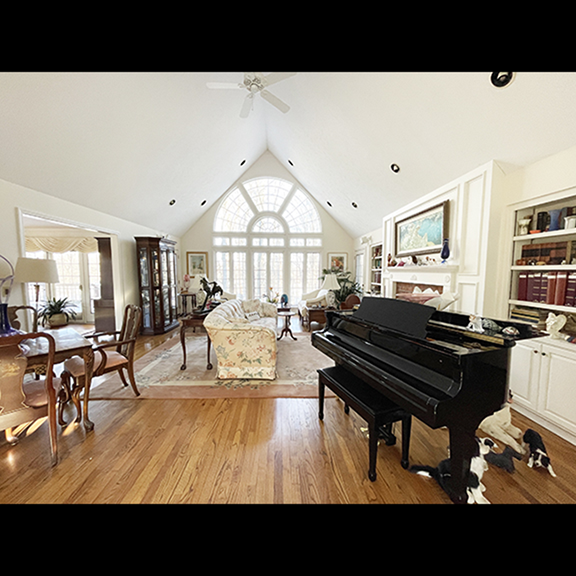
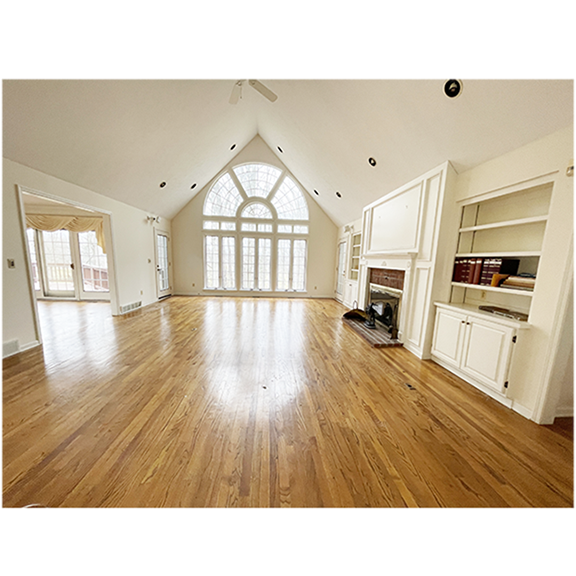
Recent Clients Home Before their sale with Not Your Mother’s Estate Sale
We Have To Have An Estate Sale, Now What?
Overwhelmed is an understatement that comes to mind when I meet with families that are looking to have an estate sale. Very often it’s the children, grown maneuvering through their own lives, and then the family wrench is thrown into the picture. Parents facing moves to assisted living, moving to be closer to their children, or perhaps facing the finality of a parent’s death and preparing the home and contents for sale.
An estate sale for many people can be a great experience or a terrible one. This is a very intimate and personal event, strangers looking through prized possessions and haggling over prices can be downright nauseating for the family.
Done correctly although with the right liquidator, it can be almost freeing. Seeing beloved collectibles or heirloom furniture going to young couples can be thrilling. The start of a new journey, of new life, new love, new stories. And the sustainability is a great plus.
How to Prepare
Search through the home, become aware of what is really in the home, art, jewelry, furnishings, books or other collectibles.
Remove all private or sensitive paperwork, this could mean boxing papers up for later review or shredding it now. Check with your community center and see who in your area may do mass paper shreddings.
Take a photographic inventory, a few photos from each room, this will document the contents and allow you to share the contents as well with family members when making choices on what to keep or what to sell.
Be prepared no matter how prepared you are you probably are not prepared. It will be hard at some point just when is the unknown. Take your time, and be at peace with what ever you decide to do and when. This is your decision not the liquidators or realtors.

Above clients home after using Not Your Mother’s Estate Sale, 21 days from contract to sale closing.
Tips on having a successful estate sale and working with your liquidator.

Dining Room pictured before a successful estate sale with Not Your Mother’s Estate Sale Cleveland OH
The Best Client is an Informed Client
Having an Estate Sale?
1. Do not throw anything away!
Whether using a liquidator or an appraiser, get someone to advise you before you donate anything or throw it out.
A. Using an estate sale liquidator?
Whether you are having a traditional sale or online compile an organized file of what is in the house, pictures of the home's contents, receipts, and any past appraisal information to share with your contracted liquidator and or family members.
2. Compile a list of recommended estate sale liquidator candidates to interview
Estatesales.org, Estatesales.com, Estatesales.net, Auction.zip, or Google Estate Sale companies in your nearby location.
Friends and family
Attorneys and CPAs in your network
3. General questions to ask:
A. How long they have been in business. This will
determine how much experience they have,
following, and their ability to produce a successful sale.
B. What are their fees is it a flat fee or is it a percentage
with hidden charges, ie advertising, security, clean up,
or credit cards.
C. Types of sales they offer In-home or online, know
and understand the difference and which one fits
your goal the best.
D. What happens with the leftovers from the sale
E. Do you get a line item report at the end?
F. How long does it take to get paid?
G. Do your timelines fit.
4. Red Flags:
A. They want you to sign the contract immediately during
the first interview.
B. The liquidator has a store, shop, or warehouse,
This removes any incentive to advertise or promote your
sale, your items will become low-cost/free products to
fill their shop at the end of the sale.
C. You have to turn over the keys and do not have access
to the home after the contract is signed. You are still
paying homeowners insurance, taxes, and maybe
the mortgage, while people you don't know work, bring
their pets, use your appliances, your swimming pool and
some will actually move in under the guise of security
D. They will handle your cleanout themselves.
While that sounds great the incentive to sell everything
is removed from your event. The cleanout allows them
to get the product(your items) for free and
sell it (at their shop).
E. They will be bringing other "client's" items into your sale
so they can "Pad" yours to make it more desirable.
If you would like to discuss your sale or are looking for more estate sale insight visit our website and blog at www.notyourmothersestatesale.com

What To Do When Your Family Does Not Want Your "Stuff" by T. Weiss
What to do when your family does not want your “stuff”, moving forward.
We all do it, we buy the “stuff” and sometimes we even justify it with an I will leave it for my kids when I am gone, it will have more value then.
While that is a noble idea, it is unfortunately not reality. Our families and friends don’t want our stuff. When the day comes that your “stuff” is theirs, I can assure you in most cases they are overwhelmed and they will say to the Estate Liquidator or Junk Hauler just to “Make it go away”.
It is really not that they don’t want it, it’s just most people have a very hard time processing grief no matter if it is real, financial, or physical loss. Handling a loved one’s collections and possessions is very overwhelming.
The question is how do we prepare our estates for the inevitable, the disbursement of our “stuff”?
Plan ahead, ask your family and friends to be honest and be prepared for some hard answers both good and bad. Not everyone feels the same about your collection whether is it a Picasso or Cabbage Patch Doll Collection.
Think about divesting any real-valued collections when speaking with an estate attorney or financial planner, decisions can be made during these conversations on where your beloved pieces should go and if they are sold who would benefit from the proceeds.
Start divesting now, while a difficult task a good estate sale liquidator can assist you through this “Downsizing” and you can enjoy the proceeds or Gift your ”stuff” how you would like. I have many clients that preplan their estate sales proactively years before they need to.